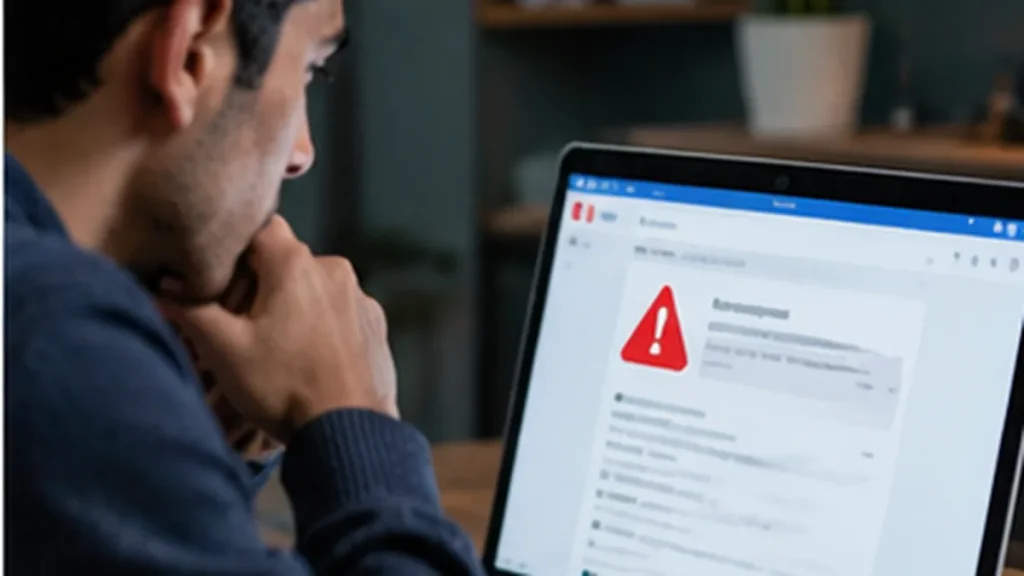
Fake recruitment can steal money, identity documents and weeks of a person's time. Some schemes impersonate established employers; others offer easy online tasks or equipment payments before disappearing. This guide helps readers identify warning signs, verify recruiting channels and respond if sensitive information was shared. The examples are hypothetical, while the underlying scam patterns are supported by public consumer-protection guidance. Victims should use the reporting channels relevant to their own country. Understanding job scam red flags can prevent fraudulent payment and identity-document requests.
Know how fake vacancies reach applicants
Fraudulent recruitment can appear in search results, social networks, messaging groups or even impersonated recruiter emails. A professional-looking logo and persuasive language are not independent evidence. Use the company’s own verified channel to confirm an opening.
Example: An applicant receives an unsolicited offer using a real company logo but cannot find the vacancy on its careers page.
Working method. For this part of job scam red flags, pay particular attention to unverified recruiter identities. The first check is to record where listing originated. Then find employer directly. Retain the document or work sample that supports the action in this “Know how fake vacancies reach applicants” step; explain any limitation rather than claiming an unobserved outcome.
Practical check. Compare role identifier. Avoid blind trust in screenshots. Before moving on from “Know how fake vacancies reach applicants,” confirm which part was checked and what remains unresolved.
Recognize payment-first schemes
Requests to pay for training access, task unlocking, guaranteed interviews or equipment reimbursement can be signs of a scam. Legitimate hiring may involve lawful fees in some contexts, but the purpose and recipient must be independently verified.
Example: A supposed data-entry platform asks for a deposit to unlock higher-paying tasks and the candidate declines.
Working method. For this part of job scam red flags, pay particular attention to payment requests attached to hiring. The first check is to never transfer to a personal wallet on pressure. Then verify fee policy. Retain the document or work sample that supports the action in this “Recognize payment-first schemes” step; explain any limitation rather than claiming an unobserved outcome.
Practical check. Request written breakdown. Stop when rushed. Before moving on from “Recognize payment-first schemes,” confirm which part was checked and what remains unresolved.
Watch for fake checks and equipment purchases
Some fraudsters send a check and instruct applicants to buy equipment or transfer the remainder. The check may later be reversed even if funds briefly appear available. Ask employers about approved equipment procurement instead of moving money for strangers.
Example: A remote candidate is told to purchase a laptop from an unfamiliar vendor using a deposited check.
Working method. For this part of job scam red flags, pay particular attention to identity-document and bank-account exposure. The first check is to do not forward check proceeds. Then contact bank through official number. Retain the document or work sample that supports the action in this “Watch for fake checks and equipment purchases” step; explain any limitation rather than claiming an unobserved outcome.
Practical check. Verify employer procurement policy. Keep records. Before moving on from “Watch for fake checks and equipment purchases,” confirm which part was checked and what remains unresolved.
Verify recruiter identities independently
Lookalike email domains and copied profiles are common impersonation tactics. Call the organization through a number found on its official website, not one in a suspicious message. A real employee profile does not automatically authenticate the person messaging you.
Example: A message uses a one-letter variation of a company domain and asks for identity documents.
Working method. For this part of job scam red flags, pay particular attention to fake remote-task account balances. The first check is to check full sender address. Then compare official domain. Retain the document or work sample that supports the action in this “Verify recruiter identities independently” step; explain any limitation rather than claiming an unobserved outcome.
Practical check. Contact employer directly. Verify recruiting relationship. Before moving on from “Verify recruiter identities independently,” confirm which part was checked and what remains unresolved.
Protect government IDs and credentials
Employment processes sometimes require sensitive data later, but an early unsolicited conversation rarely justifies passport scans, national IDs, bank logins or one-time codes. Share minimum necessary information through secure authorized systems.
Example: A candidate refuses a request for a banking login supposedly needed for payroll verification before an interview.
The first check is to do not disclose passwords or OTPs. Then check privacy notice. Retain the document or work sample that supports the action in this “Protect government IDs and credentials” step; explain any limitation rather than claiming an unobserved outcome.
Practical check. Avoid uploading sensitive files in chats. Use MFA. Before moving on from “Protect government IDs and credentials,” confirm which part was checked and what remains unresolved.
Identify unrealistic and rushed promises
Scammers exploit urgency and unusually high pay for minimal work. Check whether duties, qualifications, work hours and management structure make sense. A genuine offer can be attractive; it should still withstand reasonable verification questions.
Example: An offer advertises exceptional pay for liking posts but gives no legal employer or work product.
The first check is to ask for written responsibilities. Then review pay model. Retain the document or work sample that supports the action in this “Identify unrealistic and rushed promises” step; explain any limitation rather than claiming an unobserved outcome.
Practical check. Scrutinize forced deadlines. Compare industry expectations. Before moving on from “Identify unrealistic and rushed promises,” confirm which part was checked and what remains unresolved.
Safely investigate suspicious offers
Research without clicking unfamiliar attachments or exposing credentials. Search for company information from independent sources and confirm contact details using established channels. Avoid publicly accusing a legitimate person without sufficient evidence.
Example: A candidate finds several inconsistencies and reports the impersonation to the platform and named company.
The first check is to save non-sensitive evidence. Then use official reporting tools. Retain the document or work sample that supports the action in this “Safely investigate suspicious offers” step; explain any limitation rather than claiming an unobserved outcome.
Practical check. Block suspicious senders. Verify through separate device if needed. Before moving on from “Safely investigate suspicious offers,” confirm which part was checked and what remains unresolved.
Respond if you already shared information
Act quickly and proportionately. Change compromised passwords, contact your bank through official channels if financial details were exposed, and report identity theft to the appropriate local authority. Procedures differ by location, so consult current official guidance.
Example: A job seeker who shared a password changes it immediately and checks other accounts that used the same password.
The first check is to reset credentials. Then enable MFA. Retain the document or work sample that supports the action in this “Respond if you already shared information” step; explain any limitation rather than claiming an unobserved outcome.
Practical check. Monitor accounts. Retain case references. Seek local fraud reporting guidance. Before moving on from “Respond if you already shared information,” confirm which part was checked and what remains unresolved.
Create a personal safety checklist
A consistent checklist reduces decision fatigue when receiving many applications and offers. Protecting time matters as much as money: stop conversations that repeatedly avoid clear questions about employer identity or role details.
Example: An applicant checks five basics before accepting any interview invitation from an unfamiliar sender.
The first check is to verify source and legal employer. Then verify pay and process. Retain the document or work sample that supports the action in this “Create a personal safety checklist” step; explain any limitation rather than claiming an unobserved outcome.
Practical check. Refuse secrecy. Never pay for guarantees. Before moving on from “Create a personal safety checklist,” confirm which part was checked and what remains unresolved.
Frequently Asked Questions
Why is an unexpected remote job text suspicious?
Scammers can impersonate familiar employers and offer vague positions without a legitimate application. Independently locate the employer’s career page rather than following unverified messaging links.
Is paying to unlock online task earnings normal?
No. Consumer-protection agencies describe schemes where fake balances are shown and users are asked to deposit money, often cryptocurrency, to withdraw imaginary earnings.
What if a recruiter sends me a cheque to buy equipment?
Do not assume deposited funds are final. Fake cheque scams can leave the recipient responsible after the bank reverses the deposit. Verify procurement procedures directly with the employer.
Should I send my passport before an interview?
Be cautious with identity documents requested unusually early or through insecure channels. Ask why the document is required and use the verified employer’s approved process when justified.
What should I do if I already paid a scammer?
Stop further payments, preserve messages and receipts, contact the payment provider promptly and report the incident to the appropriate authority. If credentials were exposed, secure the affected accounts.
For independent background relevant to this topic, read FTC guidance on task scams (US).
Job scam red flags: final checklist and next step
When a job proposal feels urgent, independently check who is contacting you before sharing documents or transferring money. Stop responding if you encounter a payment-to-unlock scheme, suspicious cheque or request for account access. Save evidence and report suspected fraud through an appropriate official channel. Protecting your identity and finances matters more than the possibility of a promised job.
How to Tailor a Resume to a Job Description Without Keyword Stuffing: To build on this work, the guide on how to tailor a resume to a job description without keyword stuffing explains a related practical step.
A Practical Career Change Roadmap for Working Adults: When that next decision arises, use a practical career change roadmap for working adults for the part of the process it covers.
A 30-Day Remote Job Search Plan That Avoids Fake Listings: If that question remains open, read a 30-day remote job search plan that avoids fake listings before preparing your next application.