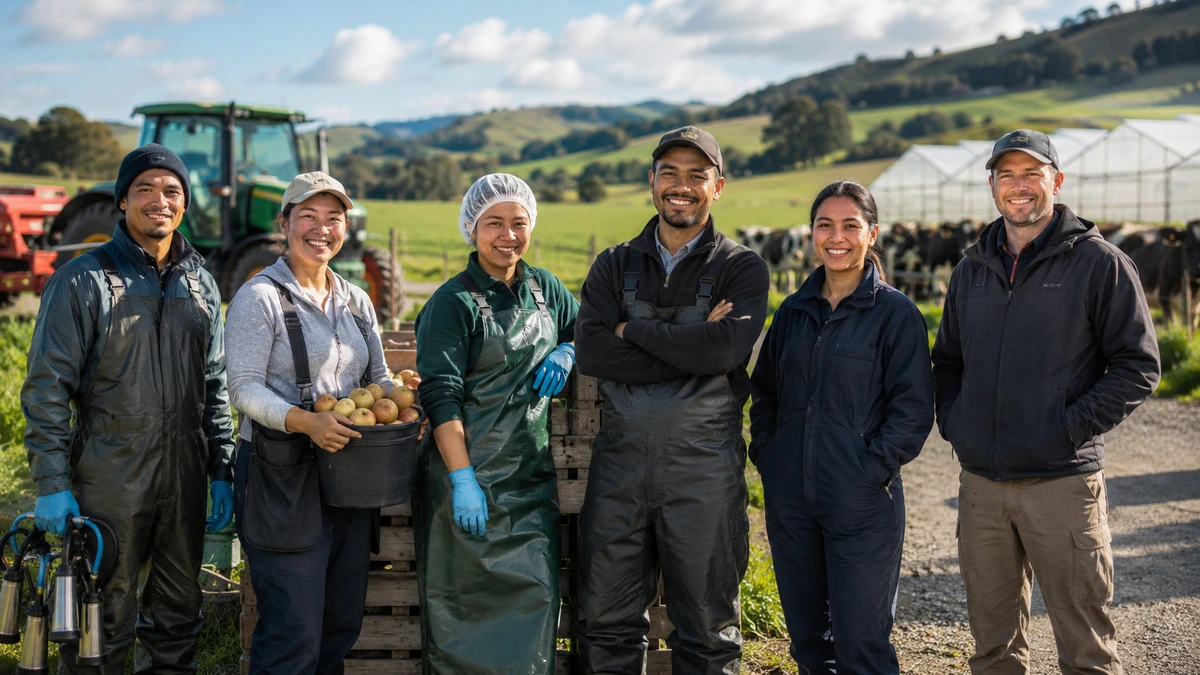
New Zealand farm jobs for foreigners are a popular option for workers who want practical overseas work experience in agriculture, dairy farming, horticulture, fruit picking, packing, and rural support roles. New Zealand has a strong farming culture, and many foreign workers search for farm and dairy jobs because these roles can offer hands-on work, outdoor experience, and a chance to work in a well-known agricultural country.
For many applicants, New Zealand farm jobs for foreigners look attractive because they may not always require a university degree. However, that does not mean the process is easy or guaranteed. Real opportunities depend on the employer, job type, visa route, season, work experience, physical ability, documents, and immigration rules.
This guide explains New Zealand farm jobs for foreigners in 2026, including common job roles, dairy farm work, horticulture jobs, seasonal work, basic requirements, salary expectations, documents, safe application tips, and scam warning signs. If you are still comparing different countries, you may also read this guide on visa sponsorship jobs for foreign workers.
The goal of this article is not to promise a guaranteed job or visa. Instead, it gives a clear, practical, and beginner-friendly overview so foreign workers can understand how New Zealand farm and dairy job opportunities may work.
Quick Answer
New Zealand farm jobs for foreigners may be available in dairy farming, fruit picking, vegetable farming, vineyard work, greenhouse work, crop packing, livestock care, farm maintenance, tractor operation, and general farm labour. Some roles are seasonal, while others may be longer-term depending on the employer and visa pathway.
Foreign workers usually need a real job offer, valid passport, relevant experience if required, physical fitness, basic communication skills, and correct documents. Some jobs may need an accredited employer or a seasonal employer depending on the visa route.
The safest approach is to apply through real employers, recognized job platforms, company websites, and verified recruitment channels. Applicants should avoid fake job posts, guaranteed visa promises, and recruiters who ask for money before proper verification.
Why New Zealand Farm Jobs Are Popular
New Zealand farm jobs for foreigners are popular because the country is known for agriculture, dairy, fruit production, vineyards, and rural work. Many people want to work in New Zealand because it has a clean environment, organized workplaces, and international job interest.
Farm work can be suitable for people who are hardworking, physically fit, and comfortable with outdoor or rural environments. Some applicants already have experience with animals, crops, machinery, packing, harvesting, or food production in their home country.
Another reason these jobs are popular is that farm work can be practical. Applicants may not need advanced office skills for every role, but they still need discipline, honesty, punctuality, and the ability to follow instructions.
At the same time, workers should be realistic. New Zealand farm jobs for foreigners can be physically demanding. Some jobs involve early mornings, cold weather, wet conditions, repetitive tasks, heavy lifting, and long hours during peak seasons.
What Farm Jobs Can Foreigners Do in New Zealand?
New Zealand farm jobs for foreigners can include many different roles. The best role depends on your experience, visa eligibility, season, and employer demand.
Dairy Farm Worker: Dairy workers may help with milking cows, feeding animals, cleaning sheds, checking animal health, moving livestock, and maintaining farm areas.
Fruit Picker: Fruit picking jobs may include apples, kiwifruit, berries, cherries, grapes, or other crops depending on region and season.
Packhouse Worker: Packhouse workers help sort, grade, pack, label, and prepare fruit or vegetables for storage and delivery.
Vineyard Worker: Vineyard roles may include pruning, planting, harvesting grapes, tying vines, and general vineyard maintenance.
Greenhouse Worker: Greenhouse workers may help with planting, watering, picking, trimming, and packing vegetables or flowers.
Livestock Farm Assistant: Livestock workers may help care for sheep, cattle, or other animals. Duties can include feeding, fencing, cleaning, and moving animals.
Tractor or Machinery Operator: Experienced workers may operate tractors, loaders, irrigation systems, or other farm machinery. Proper training and safety awareness are important.
General Farm Labourer: General labourers may complete cleaning, maintenance, fencing, planting, harvesting, loading, and support tasks around the farm.
Dairy Farm Jobs in New Zealand
Dairy farming is one of the most searched areas for New Zealand farm jobs for foreigners. Dairy roles may be suitable for workers who have experience with animals, rural work, milking systems, farm maintenance, or physically active jobs.
Common dairy farm duties may include milking cows, feeding calves, moving animals, cleaning milking sheds, checking fences, helping with animal health routines, and keeping the farm area clean. Some farms may also need workers who can operate basic machinery or support irrigation and pasture management.
Dairy farm work often starts early in the morning. Workers may need to work in different weather conditions and follow animal welfare rules. This type of job needs patience, strength, consistency, and attention to detail.
Applicants should be honest about their experience. If you have never worked with animals, do not claim that you are an experienced dairy worker. Instead, apply for entry-level farm assistant roles if the employer accepts beginners and provides training.
Fruit Picking and Horticulture Jobs
Fruit picking and horticulture work are also popular among foreign workers. These jobs may be seasonal and can depend on harvest time, region, crop type, and employer demand.
Common horticulture roles include fruit picker, vegetable picker, packhouse assistant, grader, crop worker, greenhouse assistant, orchard worker, vineyard worker, and seasonal harvest worker.
These jobs can involve repetitive tasks, standing for long hours, bending, carrying crates, working outdoors, and meeting production targets. Workers should be physically prepared and willing to follow instructions carefully.
Seasonal work may be short-term, so applicants should check the contract length before accepting. Some jobs may provide accommodation or help arrange housing, but workers should always confirm cost, location, transport, and living conditions in writing.
Basic Requirements for Foreign Workers
Requirements for New Zealand farm jobs for foreigners depend on the employer, job type, visa route, and season. However, many applicants should prepare the following:
- Valid passport
- Updated CV or resume
- Work experience letters if available
- Farm, agriculture, dairy, or packing experience proof if available
- Training certificates if available
- Driving licence if the role requires it
- Machinery operation certificate if required
- Police clearance if required
- Medical exam if required
- Reference letters from previous employers
- Basic English communication ability
Some farm jobs may not require high academic qualifications, but employers still want reliable workers. A strong applicant should show honesty, physical ability, teamwork, punctuality, and willingness to learn.
If the job involves animals, machinery, chemicals, food packing, or safety-sensitive tasks, employers may expect extra care and training. Farm work is practical, but it is still professional work.
Skills That Can Help You Get Farm Work
New Zealand farm jobs for foreigners can be easier to apply for when the worker has useful practical skills. Even simple experience can help if it matches the employer’s needs.
Physical fitness: Many farm jobs involve standing, walking, lifting, bending, and working outdoors.
Animal handling: Dairy and livestock jobs may require patience and care around animals.
Machinery awareness: Experience with tractors, loaders, irrigation systems, or farm tools can be helpful.
Basic English: Workers should understand instructions, safety rules, and workplace communication.
Teamwork: Farms and packhouses often need workers to complete tasks together.
Time management: Farm work can depend on weather, harvest timing, animal routines, and production schedules.
Safety awareness: Workers should follow rules around machinery, animals, chemicals, vehicles, and food handling.
Salary and Work Conditions
Salary for New Zealand farm jobs for foreigners can vary by job type, employer, region, season, experience, and contract terms. Dairy farm workers, fruit pickers, packhouse workers, machinery operators, and supervisors may not all earn the same amount.
Some jobs may pay hourly wages, while others may have seasonal or productivity-based arrangements depending on the role and legal rules. Applicants should always read the contract carefully before accepting.
Workers should ask about working hours, overtime, rest days, accommodation, transport, deductions, training, and safety equipment. A real employer should explain these details clearly.
Foreign workers should also compare salary with living costs. Rural areas may have different housing and transport situations than cities. If accommodation is provided, check whether it is free, deducted from salary, or paid separately.
How to Find Real New Zealand Farm Jobs
Finding real New Zealand farm jobs for foreigners takes careful research. Applicants should not depend only on random Facebook posts or WhatsApp messages.
Start by checking farm employer websites, packhouse companies, dairy farm job listings, recognized job boards, recruitment agencies, and official employer information. Search for terms like “New Zealand farm jobs for foreigners,” “New Zealand dairy farm jobs,” “New Zealand fruit picking jobs,” “New Zealand packhouse jobs,” and “seasonal farm work New Zealand.”
Read the job description carefully. Check the job title, location, contract length, work hours, accommodation, transport, employer name, visa support, and required experience.
If you are also interested in other skilled overseas jobs, compare farm work with technical routes such as Germany skilled worker jobs. This can help you decide whether a practical farm job or skilled worker route fits your background better.
How to Apply Safely
Safe application is very important when searching for New Zealand farm jobs for foreigners. Scammers often use farm job ads because many people want simple overseas work.
First, prepare a clean CV. Include your name, contact details, country, work experience, farm skills, driving experience, machinery skills, and references if available.
Second, apply only to jobs that match your real background. If you have dairy experience, focus on dairy farm roles. If you have harvest experience, apply for fruit picking or packhouse roles. If you have machinery experience, apply for operator roles.
Third, ask clear questions before accepting. Ask about salary, working hours, accommodation, transport, contract length, visa support, duties, and safety training.
Fourth, do not pay money for a guaranteed job or visa promise. A real recruitment process should include proper communication, job details, interview, and written contract.
If you receive a genuine offer and plan to travel, it can also help to understand travel insurance and family health insurance topics before making final arrangements.
Farm Work vs Construction Work Abroad
Some foreign workers compare farm work with construction work before choosing a country. Both can be practical job categories, but they are not the same.
Farm work may include animal care, harvesting, packing, greenhouse work, and seasonal tasks. Construction work may include carpentry, welding, plumbing, painting, civil work, and site labour. Both roles can require physical strength, safety awareness, and teamwork.
If your background is in tools, building, welding, or site labour, construction may fit better. You can compare this with Australia construction jobs with visa sponsorship before making a decision.
If your background is in agriculture, livestock, dairy, packing, or harvesting, New Zealand farm jobs for foreigners may be more suitable. The best choice depends on your real experience and documents.
Common Mistakes to Avoid
Many applicants lose opportunities because of simple mistakes. If you are serious about New Zealand farm jobs for foreigners, avoid these problems:
- Applying without reading the full job description
- Using a weak CV with no work details
- Claiming fake farm or dairy experience
- Ignoring physical work conditions
- Not checking accommodation cost
- Not asking about transport to the worksite
- Paying money for guaranteed visa promises
- Sending documents to unknown social media accounts
- Accepting unclear contracts
- Not checking the employer carefully
A serious farm job applicant should be honest, patient, and organized. Real employers usually prefer workers who are reliable and ready to work properly.
Red Flags of Fake Farm Job Offers
Because farm jobs are popular, fake recruiters may create attractive posts to collect money or documents. Be careful if you notice any of these red flags:
- The recruiter promises 100% visa approval
- The job offer comes without interview
- The salary is very high without clear details
- The employer name is missing
- The company has no website or contact information
- You are asked to pay quickly before verification
- The recruiter uses only personal social media accounts
- The contract has spelling mistakes or unclear terms
- The accommodation details are not explained
- You are told not to contact the employer directly
A real employer should provide clear job information, written terms, professional communication, and a proper recruitment process. If something feels too easy, verify before taking action.
Best Application Strategy for 2026
A smart strategy can help foreign workers apply better. Do not send the same message to every employer. Focus on roles that match your experience.
Choose one or two main job categories. For example, if you worked with cows, focus on dairy farm jobs. If you worked in packing or production, focus on packhouse jobs. If you worked in fruit or vegetable fields, focus on horticulture jobs.
Create a simple application tracker. Add employer name, job title, location, date applied, contact email, response status, and notes. This helps you stay organized.
Improve your basic English and farm vocabulary. Learn words related to animals, safety, tools, packing, harvesting, weather, and workplace instructions.
For broader career and professional growth reading, readers can also visit business and career growth content.
Frequently Asked Questions
Can foreigners apply for New Zealand farm jobs in 2026?
Yes, foreigners can apply for New Zealand farm jobs, but eligibility depends on the employer, job type, visa route, experience, documents, and immigration rules. No job or visa is guaranteed.
What are the best New Zealand farm jobs for foreigners?
Common roles include dairy farm worker, fruit picker, packhouse worker, vineyard worker, greenhouse assistant, livestock worker, tractor operator, and general farm labourer.
Do I need experience for farm jobs in New Zealand?
Some seasonal or entry-level roles may accept workers with limited experience, but dairy, machinery, livestock, and supervisor roles usually prefer relevant experience.
Can I get free accommodation with farm work?
Some employers may provide accommodation or help arrange housing, but it is not always free. Always check the cost and conditions in writing.
Are New Zealand farm jobs physically hard?
Yes, many farm jobs are physically demanding. Workers may need to stand for long hours, lift items, work outdoors, wake up early, and handle repetitive tasks.
Should I pay an agent for a farm job?
Be careful. Do not pay for guaranteed jobs or fake visa promises. If using a recruiter, verify their identity and connection to a real employer.
Is a job offer enough for a New Zealand work visa?
No. A job offer may support the process, but the worker must still meet visa requirements and submit correct documents.
Final Verdict
New Zealand farm jobs for foreigners can be a good option for hardworking applicants who have experience in dairy farming, horticulture, packing, livestock care, greenhouse work, fruit picking, or general farm labour.
The best approach is to prepare a strong CV, apply to real employers, understand the job duties, check accommodation details, and avoid fake sponsorship promises. Farm work can offer valuable overseas experience, but it also requires physical effort, patience, and discipline.
If you are serious about applying, start by choosing the right farm job category for your background. Prepare your documents, improve your communication, apply consistently, and verify every employer before sharing personal information or making any payment.
Disclaimer
This article is for general informational purposes only. New Zealand visa rules, job requirements, seasonal work policies, salary levels, and employer demand can change at any time. Always verify the latest information from official sources, qualified professionals, or the employer before applying. This article does not guarantee any job offer, visa approval, work visa, or immigration result.